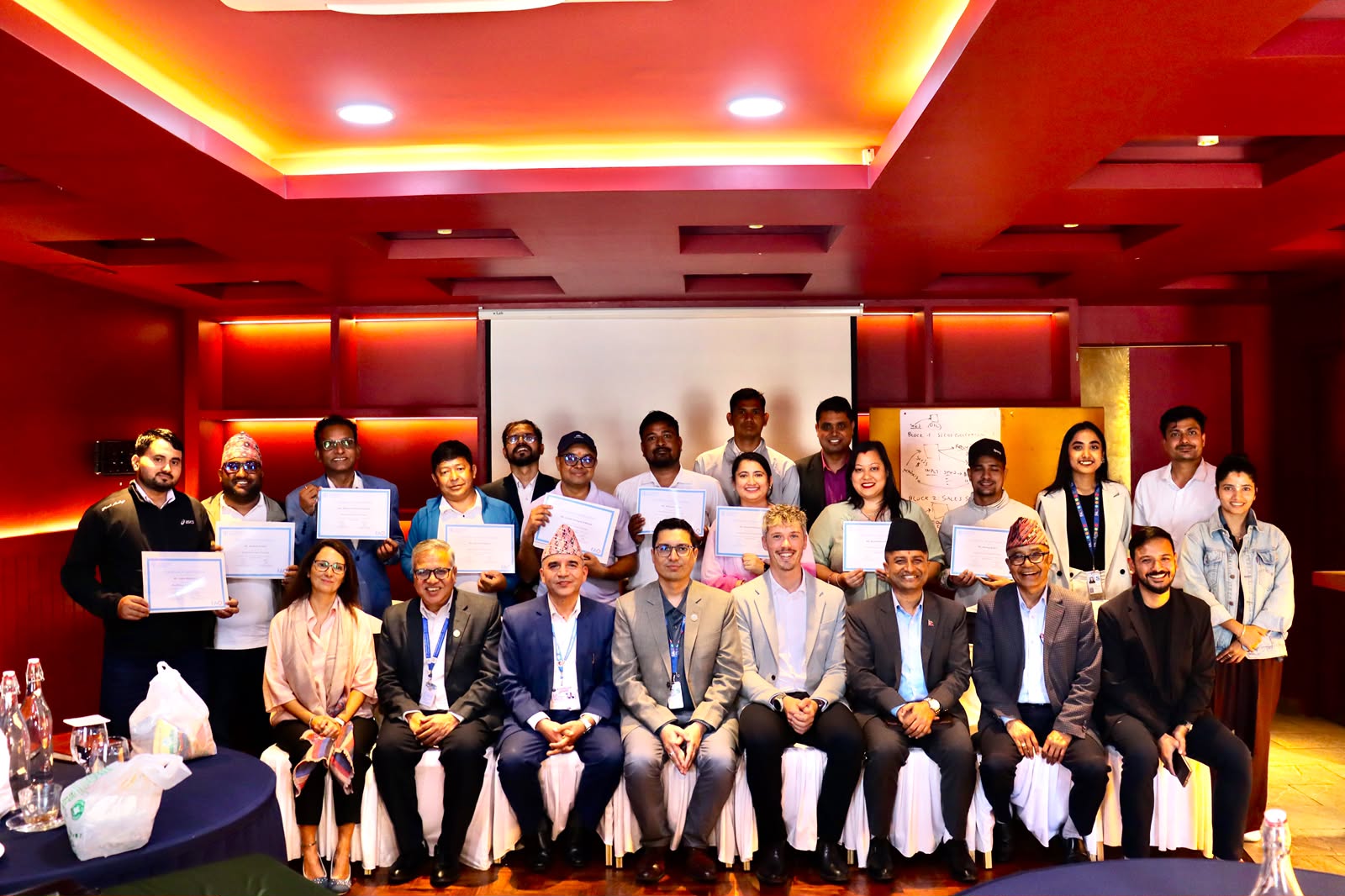
Kathmandu, Nepal | 12 October 2026
The eight-day RuralInvest Training Program under the Global Agriculture and Food Security Program (GAFSP) project successfully concluded on 12 October 2026. The program was organized by the Nepal Agricultural Co-operative Central Federation Ltd. (NACCFL) in collaboration with the Food and Agriculture Organization of the United Nations (FAO Nepal), with the aim of strengthening the capacity of partner organizations to develop viable agricultural investment plans and enterprises.
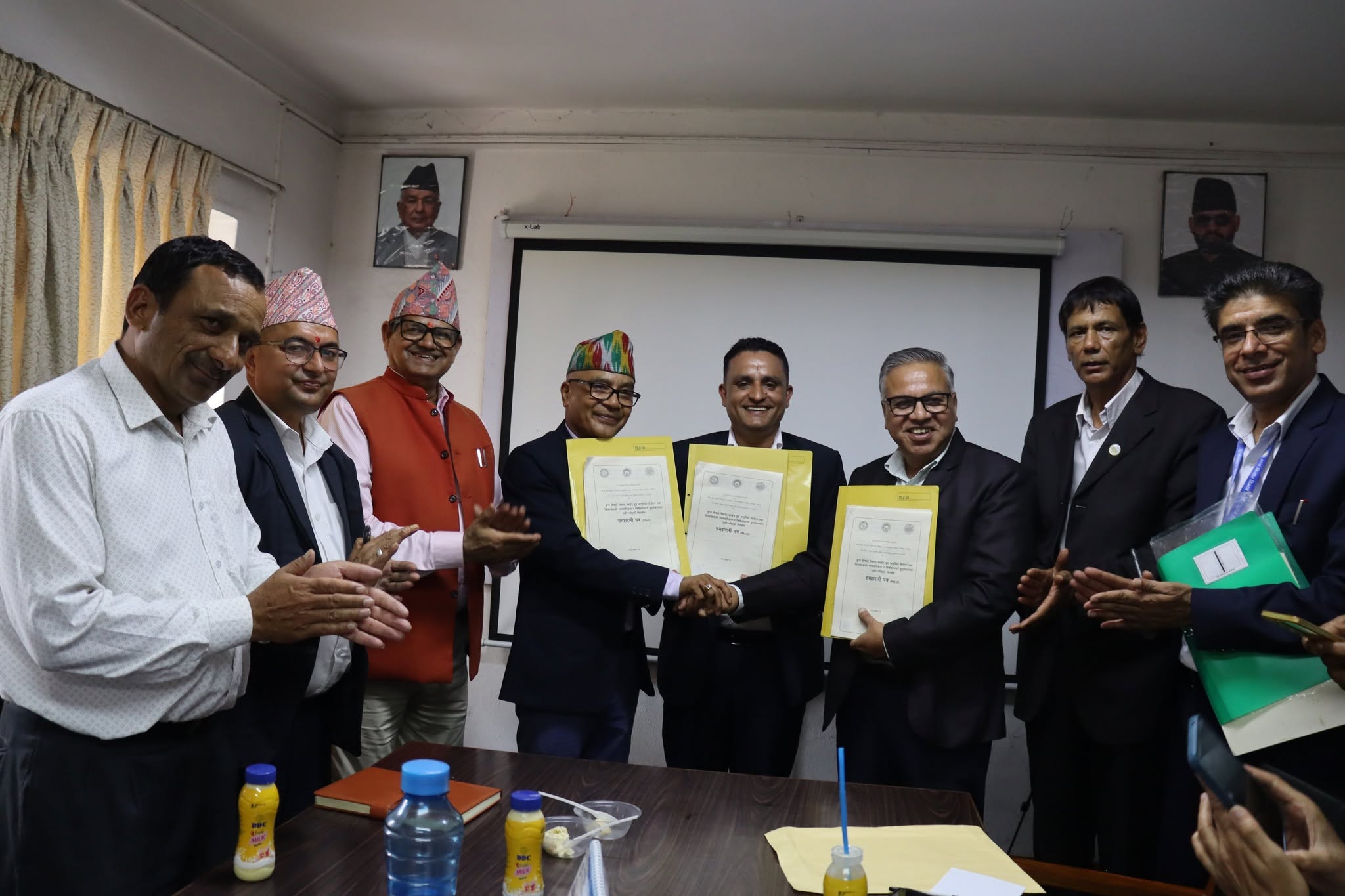
The closing ceremony was facilitated by Dr. Rudra Bahadur Shrestha, General Manager of NACCFL, and attended by distinguished guests, including Mr. Jagannath Tiwari, Joint Secretary, Agribusiness and Livestock Business Promotion Division, Ministry of Agriculture and Livestock Development; Mr. Rajendra Koirala, Deputy Director General, Department of Agriculture; Mr. Arun GC, Officer-in-Charge, FAO Nepal; Mr. Basu Adhikari, Chief Executive Officer of Sana Kisan Bikas Laghubitta Bittiya Sanstha Ltd. (SKBBL); and Mr. Nischal S. Bhandari, Head of Programs and Partnerships at Aadhyanta Fund.
The eight-day training, which began on 5 October 2026, brought together representatives from NACCFL, FAO Nepal, government institutions, and five GAFSP partner Small Farmer Agricultural Cooperatives Limited (SFACLs) in Bardiya District: Bhabisya Mainapokhar, Deudakala, Budhan, Kalika, and Purnima.
The training was led by Mr. Fermin Dibarboure, Capacity Development and Extension Specialist of the RuralInvest Team at the FAO Investment Centre, with technical support from Ms. Patrizia Labella, HQ Technical Officer at FAO.
Transforming Business Ideas into Viable Business Plans
RuralInvest is a practical methodology designed to help transform business ideas into structured and financially viable business plans. It also supports the assessment and improvement of existing enterprises by helping organizations analyze business performance, evaluate investment opportunities, and make informed decisions about future development.
Throughout the training, participants engaged in practical exercises covering business concept development, data collection, cost classification, profitability analysis, and financial feasibility assessment. They also received hands-on experience using the RIV20 software to develop business concepts, prepare business plans, and analyze project scenarios with and without investment.
The program further covered detailed business plan analysis, collaboration between projects, sensitivity analysis, and the identification of key indicators for assessing business viability. These practical sessions enabled participants to apply the RuralInvest methodology to agricultural business opportunities and existing enterprises.
Emphasis on Knowledge Sharing and Replication
During the closing ceremony, the distinguished guests highlighted the importance of applying the knowledge and skills gained through the training and cascading them to other member cooperatives. They emphasized that extending this knowledge across the cooperative network would help strengthen institutional capacity, improve investment planning, and support the development of sustainable agricultural enterprises.
Participants are expected to apply the RuralInvest methodology within their respective organizations to assess new business opportunities, improve existing enterprises, and prepare sound investment plans. Sharing these skills with other member cooperatives will further expand the benefits of the training across the GAFSP project areas and the wider cooperative network.
Strengthening Sustainable Agricultural Enterprises
The successful completion of the RuralInvest Training Program marks an important step toward strengthening the technical and institutional capacity of partner cooperatives and organizations. By improving their ability to assess investment opportunities and develop viable business plans, the initiative aims to support sustainable agricultural enterprises, diversify income opportunities, improve farmers' livelihoods, and contribute to food and nutrition security.
Through continued collaboration among NACCFL, FAO Nepal, government institutions, financial partners, and agricultural cooperatives, the initiative will contribute to more informed investment decisions and inclusive, sustainable agricultural development in Nepal.